

Women accounted for just 26% of U.S. AI hires in 2025, compared with 50% of hires in non-AI occupations, newly released research from LinkedIn shows. The imbalance matters because AI positions are becoming some of the fastest-growing and best-paid jobs in the economy. U.S. AI job postings have roughly doubled since 2023, while a typical posting lists about $177,000 in compensation, versus $80,000 for a non-AI position.
This is more than a workplace representation issue. If women remain underrepresented as AI employment expands, a large share of workers could have less access to the salaries, promotions, equity awards, professional networks and investment opportunities being created around the technology. The result could influence household wealth and economic mobility long after today’s hiring decisions have been made.
Why High-Paying AI Jobs Matter Economically
The wage difference is especially important because demand for AI skills is rising quickly. PwC found that jobs requiring specific AI skills grew 69% between 2019 and 2025, compared with 9% for the overall job market. Workers with AI skills received an average wage premium of 62% in 2025.
Missing these opportunities can compound over a career. Higher salaries can mean larger retirement contributions, greater savings and more capital for investing or starting businesses. Employees who enter fast-growing technical fields can also become the managers and executives who control hiring, budgets and product strategy.
What Changes at the Leadership Level?
The gap becomes wider near the top. Across 27 countries studied by LinkedIn, women held only 13% of C-suite AI leadership positions at AI companies. Representation was also limited in important feeder roles, including Head of AI at 20%, Director of AI at 26% and Member of Technical Staff at 18%.
That matters because today’s technical leaders may become tomorrow’s founders, investors and board members. Existing corporate pipelines already show how early differences can persist. Research from McKinsey & Company and LeanIn.Org found that women’s representation declines as employees move through the corporate hierarchy, despite progress at senior levels over the past decade.
Entrepreneurship Adds Another Layer
AI wealth is also being created through startups. PitchBook reports that U.S. companies with at least one female founder raised a record $73.6 billion in venture capital during 2025. However, the figures were heavily influenced by a small number of enormous AI deals, showing how concentrated technology investment has become.
Participation therefore matters on both sides of the market. Who builds AI companies affects who receives ownership stakes and investment returns. Who leads them can influence which products receive funding, which problems are prioritized and who gets recruited into the next generation of senior roles.
Can the Gap Still Be Narrowed?
The industry’s leadership structure is still developing, which leaves room for intervention. Employers can widen recruiting channels, publish clearer promotion criteria and provide AI training before employees reach senior technical positions. Educators can expand practical AI instruction beyond traditional computer science pathways. Policymakers can support accessible technical education, apprenticeships and workforce retraining.
AI could increase productivity and create substantial new wealth. Yet its economic benefits will depend partly on who receives access to the jobs, ownership and decision-making power surrounding it. Addressing participation gaps early may be easier than trying to reverse them once today’s hiring patterns become tomorrow’s leadership pipeline.





 Progress and Persistent Gaps
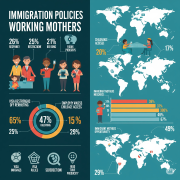 Dependent visas, like the H-4, are usually given to the spouses of visa holders in the United States. These wives are mostly women, and they may not be able to work. In places like Dallas, where the business is doing well, this can be discouraging and crippling for skilled workers who have to stay home because of the law.
 In recent years, Singapore’s city fringe and prime districts have experienced a quiet yet powerful shift: a growing number of professional women are becoming condo owners. This trend reflects broader shifts in wealth, gender roles, and urban living.
 Financial barriers continue to limit women’s participation in leadership roles. Many female candidates lack access to campaign funding, political networks, or media exposure compared to their male counterparts. The World Economic Forum reports that money remains one of the biggest obstacles for women entering politics, especially in developing countries. Gender stereotypes and societal expectations around caregiving add further limitations on their ability to lead.
 The automotive industry has long been associated with male dominance, particularly in areas like vehicle auction analytics, reselling, and consulting. However, times are changing. More women are carving out successful careers in the salvage vehicle economy, shattering stereotypes and paving the way for others. Their stories highlight their entrepreneurial spirit and inspire women to enter this growing and lucrative sector.